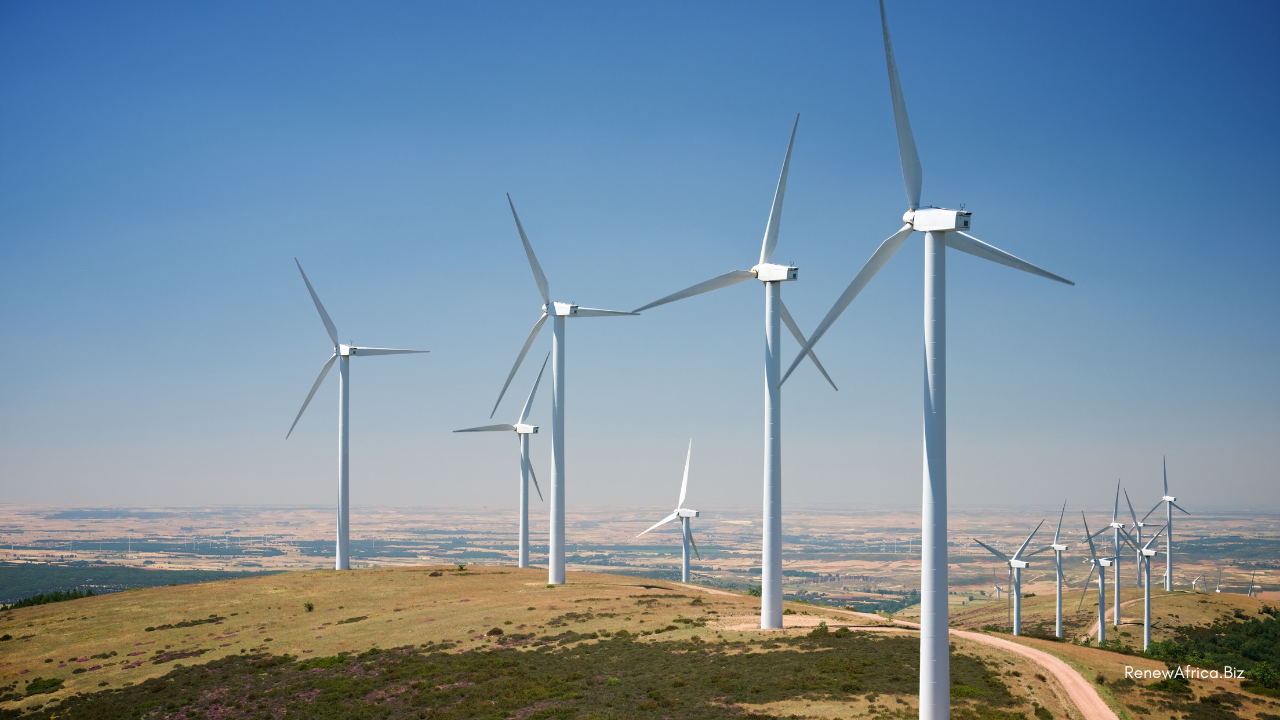

Independent consulting engineering firm Noubeg Power has been selected to prepare a 40-megawatt (MW) wind power project in Zambia under the Scaling-Up Renewable Energy Program (SREP), an initiative of the Climate Investment Funds (CIF) designed to expand energy access in low-income countries.
Working together with the Ministry of Energy (MOE) in Zambia, Noubeg Power will conduct a comprehensive techno-economic feasibility study, environmental and social assessments, and due diligence on the regulatory framework as part of the project.
The project preparation is supported by a grant from the African Development Bank (AfDB) to the tune of $1.15 million. The initiative will enable the Zambian government to launch a competitive tender to select a project developer and mobilize private and concessional financing.
“Our ultimate goal is to establish a bankable framework that will help the Zambian government successfully conduct the tender for this large-scale wind project,” said Noubeg Power.
“We look forward to collaborating closely with the Ministry of Energy, the AfDB, and local stakeholders to advance Zambia’s clean energy transition,” concluded Nouberg Power.
The proposed wind project comes at a pivotal time for Zambia as the country accelerates efforts to diversify its electricity mix following recent climate-induced power shortages that exposed the vulnerability of its hydropower-dominated system.
Through its National Energy Compact under the Mission 300 initiative, Zambia aims to increase electricity access to 66% of the population by 2030, while expanding installed generation capacity to 9,000 MW and attracting greater private sector investment into renewable energy.
Although hydropower currently accounts for the vast majority of Zambia’s electricity generation, the country’s Integrated Resource Plan identifies wind as a strategic resource alongside solar PV to improve energy security and build resilience against increasingly frequent droughts. Wind generation can complement hydropower by producing electricity during periods when water availability is constrained, while also diversifying the country’s renewable energy portfolio.
Once developed, the 40 MW project could serve as one of Zambia’s first utility-scale wind developments, providing valuable operational experience, demonstrating the commercial viability of wind power, and paving the way for further investment in the country’s untapped wind energy potential. It also aligns with the government’s objective of using competitive procurement to unlock private capital and accelerate the deployment of cost-effective renewable energy infrastructure.