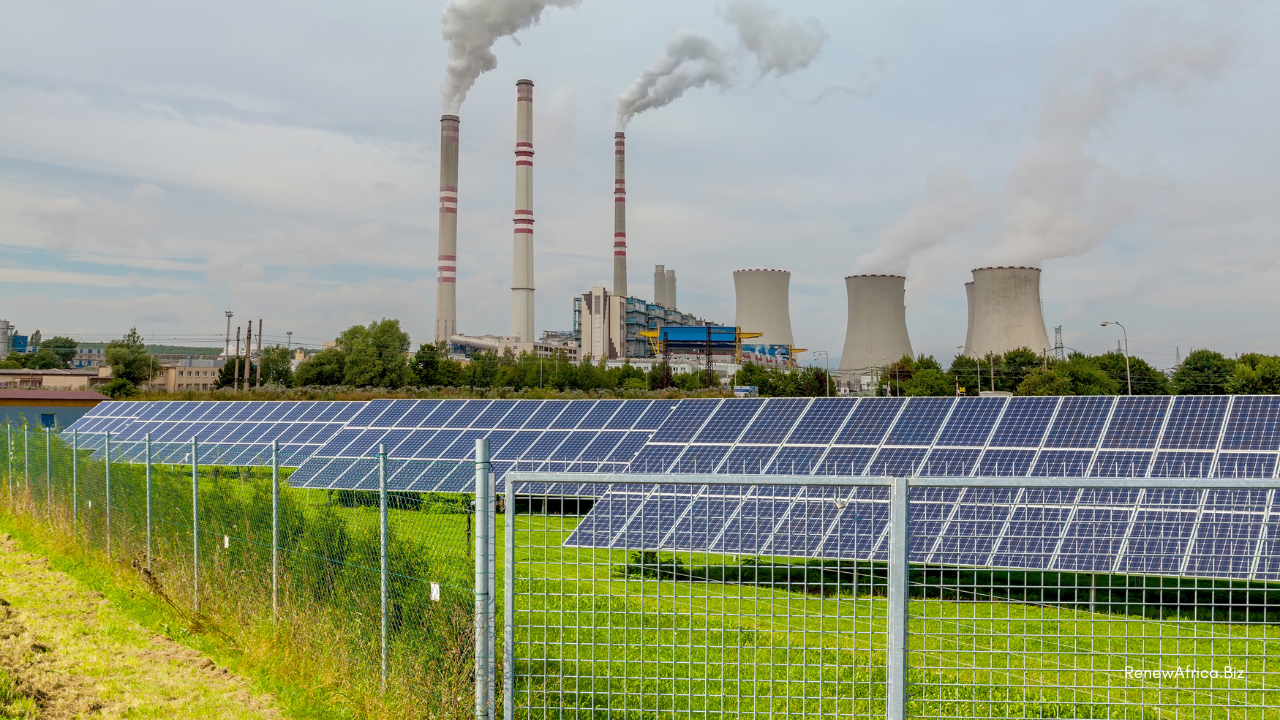
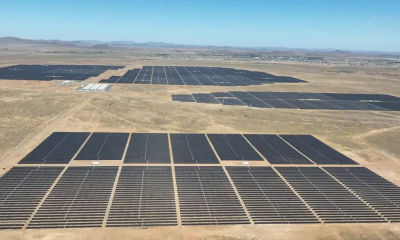
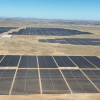
Eskom Green, the renewable energy unit of South Africa’s state-owned power utility, Eskom, has begun constructing a 75MW solar plant at Lethabo Power Station in the Free State. The project marks the first step in integrating utility-scale renewable generation into the utility’s existing coal-fired fleet as part of its Just Energy Transition strategy.
The solar facility once completed is expected to generate approximately 147GWh of electricity annually, supplying power to an estimated 60,000 households. In addition to its energy contribution, the project will create vital local economic opportunities and contribute significantly to skills development during both the construction and operational phases.
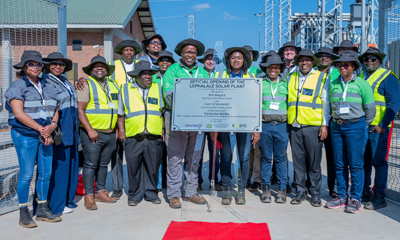
The groundbreaking ceremony was attended by key South African government officials, including Minister of Electricity and Energy Dr. Kgosientsho Ramokgopa, Eskom Board Chairman Mteto Nyati, Group Chief Executive Dan Marokane, Group Executive for Generation Bheki Nxumalo, Group Executive for Renewables Rivoningo Mnisi, Lethabo Power Station General Manager Karabo Rakgolela, and other Eskom Board members.
The Lethabo 75MW solar project is part of Eskom’s broader pipeline of renewable energy and storage initiatives. It is one of 17 high‑priority projects to be implemented across Eskom’s coal‑fired power station footprint, with construction expected between now and 2028.
“The Lethabo solar power plant represents a significant milestone in Eskom Green’s renewable energy pipeline and forms part of the utility’s broader strategy to diversify the generation mix, support South Africa’s Just Energy Transition objectives and provide customers with lower carbon electricity,” said Eskom’s Group Executive for Renewables, Rivoningo Mnisi.
“By leveraging existing power station infrastructure, this project demonstrates the practical integration of renewable energy technology within our existing coal-fired power station fleet infrastructure and signals Eskom’s continued commitment to strengthening security of supply while transitioning toward a lower-carbon future,” Mnisi concluded.
Together, these projects aim to deliver about 6GW of new capacity by 2030.
These developments will be strategically located at power stations including Arnot, Duvha, Majuba, Tutuka, Lethabo, Komati, Kendal, Kusile, Hendrina, Camden and Grootvlei, leveraging existing infrastructure to accelerate deployment, reduce costs and strengthen grid resilience.
Funding for these projects has been provisioned within Eskom’s approved capital expenditure program and will be financed through on‑balance sheet funding, in line with National Treasury debt relief conditions, without reliance on additional project finance borrowing.
“We are playing our part in bringing online the new generation capacity required by focusing on the deep technical and institutional capability of our employees, built over decades of public investment, that remains a critical part of our national capacity towards delivering cleaner sources of energy,” said Eskom’s Group Chief Executive, Dan Marokane.
Eskom Green PPP strategy
Beyond repurposing Eskom’s existing power station infrastructure, Eskom Green will pursue a proactive growth strategy extending beyond Eskom-owned land and decommissioning sites. While anchor projects provide a critical foundation, long-term value creation requires expanding into new geographic and technological areas.
To this end, Eskom Green will pursue partnerships, co-developments, and strategic acquisitions of advanced-stage projects and operating renewables in high-resource areas. This approach optimises its portfolio, diversifies revenue, and aligns with customer load profiles by balancing technologies like pumped storage, wind, PV, BESS, and green hydrogen.
Eskom Green will enable utility-scale renewables through public-private partnerships, leveraging its footprint and system knowledge. Its funding framework uses project finance principles and dedicated SPVs, limiting recourse to Eskom’s balance sheet. This will advance Eskom’s pipeline of over 32GW of cost-competitive renewable energy and storage projects by 2040, diversifying its energy mix, supporting emissions reduction, and helping customers decarbonise.