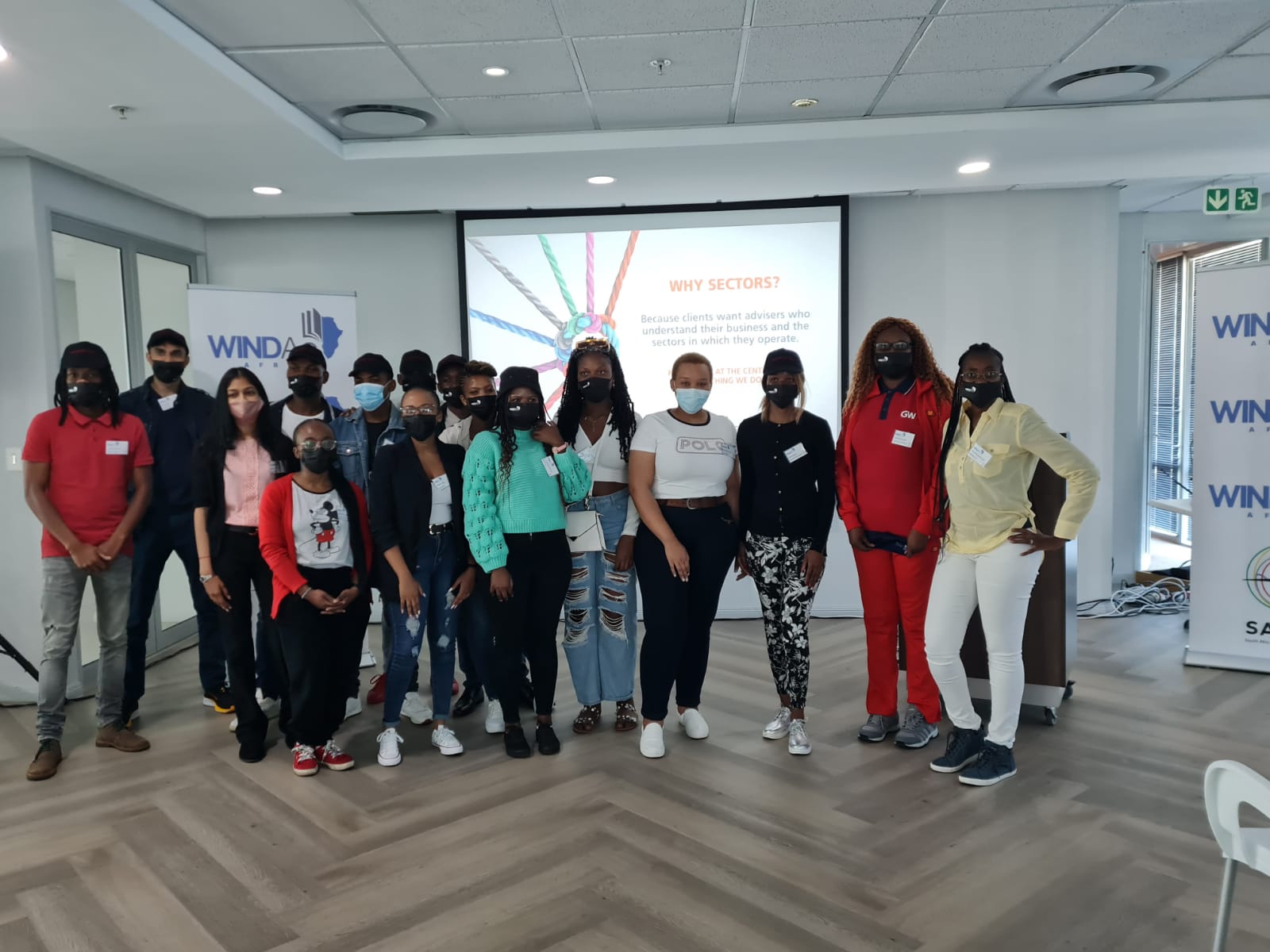


WindAc Africa 2021, kicked-off its fourth instalment yesterday, with a keynote address delivered by Mr Kristoffer Böttzauw, the Director General of the Danish Energy Agency (DEA), a strategic partner and a keen supporter of the wind energy sector.
This year, the conference, 5 – 7 October, offers masterclasses for attending students, based on topical issues, which have been grouped and themed “New and Emerging Markets in an African Context”. The key objective is to engage the students on specific topics to increase learning in areas of interest that are relevant to the African Continent.
This year WindAc has chosen some of the very interesting and insightful topics, both for South Africa and the broader continent namely: Hydrogen Economy and the Offshore Wind, which is to be presented as a masterclass.
The presenters of this masterclass will break down the topics in such a way that the students can recognize the opportunities, scope and scale, which will not only inform, teach, and equip the students but also present them with alternative careers and skills for the future as well as jobs.
“This will hopefully plant a seed for the young and future leaders in Wind Energy not only to pursue careers in these topics but also to gain exposure to the new opportunities and new knowledge,” explains Lindo Sibiya, Programme Manager for WindAc Africa Conference.
In attendance at the opening, the sector’s academic community and key stakeholders, including professionals, policymakers, academics, government representatives and civil society were also addressed by Professor Peter Freere, an Associate Professor in Electrical Engineering, Nelson Mandela Metropolitan University (NMMU) and an esteemed member of the WindAc 2021 Scientific Advisory Committee (SAC).
As the South African Wind Energy Association’s (SAWEA) international academic wind energy conference, this exchange platform offers a special programme for high potential young people from South African universities, to lead the way for advancement and progress.
The wind energy sector looks to the academic community to unpack and analyse investment capital, skills availability, land availability, grid access, operational excellence, and investment in local supply chain development, all of which play a role in ensuring that the industry will successfully deliver the required 14.4GW of wind power by 2030.
Following a two-year break, this year’s conference programme is once again based on papers selected through rigorous peer review and final selection by a scientific advisory panel. The selected range of papers are geared towards sharing contemporary knowledge for an integrated approach to research in achieving a successful power transition away from coal and towards a greater share of renewables.